

Are Shipping Container Homes Worth It? Your Questions Answered
Considering a shipping container home? Explore the real costs, expected lifespan, structural safety, and year-round comfort before deciding whether container living is right for you.
Are shipping container homes worth it? For homeowners looking for a customized, compact, or alternative living space, they certainly can be. The key is understanding what goes into a finished home and whether the design, construction costs, and property requirements fit your needs.
A shipping container provides a durable steel starting structure, but creating a comfortable residence takes more than adding windows and finishing the interior. Insulation, structural modifications, foundations, utilities, and building approvals all contribute to the completed project.
At Sea Can Guys, we’ve supplied and modified shipping containers since 2007. From customized layouts to insulated residential spaces, we help customers across Atlantic Canada and beyond explore practical container home options.
Here are our answers to the questions we hear from homeowners considering container living.
Worth it?
Are Shipping Container Homes Worth the Investment?
For some homeowners, the appeal is creating a smaller residence with a practical layout. Others want a customized cottage, seasonal retreat, or alternative to conventional construction.
There are several reasons to consider container living:
Yes, a shipping container home can be a worthwhile investment when its design, intended use, construction budget, and property conditions align with your goals.
Flexible design: We can explore layouts, windows, doors, insulation, and interior finishes based on your intended use.
Durable steel structure: A suitable container provides a structural starting point for an appropriately engineered residential conversion.
Compact living: Smaller floor plans can help homeowners focus on the space they actually need.
Customization: Container configurations can be adapted for different residential purposes.
Material reuse: Repurposing an appropriate used container can extend its useful life.
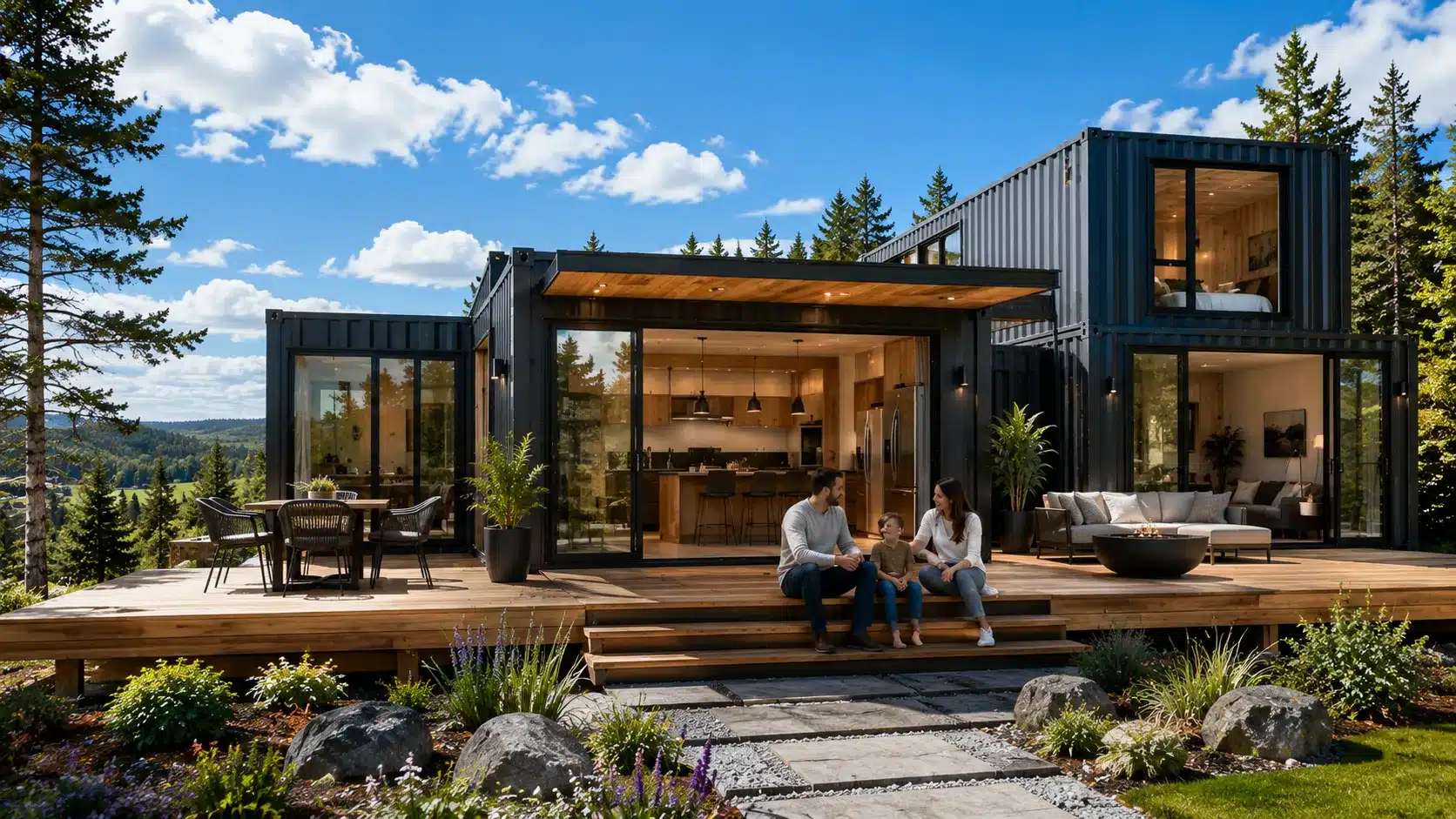
However, a container home isn’t automatically less expensive or easier to build than a conventional house.
We recommend looking at the complete finished project, including site development, maintenance, and long-term ownership costs, rather than comparing the price of an empty container with a finished traditional home.
Lifespan
How Long Do Shipping Container Homes Last?
A properly designed, constructed, and maintained container home can provide decades of residential use. However, there is no single lifespan that applies to every home.
Several factors influence longevity, including the original container condition, structural modifications, exposure to moisture, protective finishes, and ongoing maintenance.

Container Condition Matters
Before residential conversion, the container should be evaluated for corrosion, structural damage, previous repairs, flooring condition, and potential contamination.
A suitable starting structure reduces the risk of carrying existing problems into a residential project.
Weather Protection Matters
Steel can deteriorate when moisture and corrosion aren’t properly managed.
Exterior coatings, roofing details, drainage, and the protection of exposed or modified steel all contribute to durability.
This is particularly important in Atlantic Canada, where coastal salt exposure, rainfall, snow, and changing temperatures can affect building materials.
Maintenance Matters
Like conventional homes, container homes need ongoing care.
Regularly checking protective coatings, roofing, drainage, seals, and exposed steel can help identify issues before they become more serious.
We recommend evaluating lifespan as part of the complete building design rather than relying on a fixed number of years.
Rust
Do Shipping Container Homes Rust?
Yes. Shipping containers are primarily made from steel, and steel can corrode when exposed to moisture and environmental conditions.
However, rust doesn’t automatically make a container unsuitable for residential use.
The important considerations are the container’s initial condition, the extent of any existing corrosion, protective treatments, and how the finished structure manages water.

We recommend paying attention to exterior finishes, roof drainage, foundation moisture, and exposed steel around modifications.
Routine inspections and timely repairs help protect these areas over time.
For coastal properties, additional consideration should be given to salt exposure and moisture management.
Discuss Your Container Home ProjectSafety
Are Shipping Container Homes Safe?
The strength of an original shipping container does not automatically establish that a modified container meets residential building requirements.
Creating a home introduces structural, fire-safety, ventilation, electrical, plumbing, insulation, and foundation considerations.
Yes, shipping container homes can provide safe residential accommodation when they are properly designed, engineered, constructed, and approved for their intended use.
 Structure
Structural Modifications
Adding windows, doors, and connections between multiple containers changes the original steel structure.
Depending on the layout, these modifications may require reinforcement and engineering documentation.
We provide container modification options, including doors, windows, insulation, and interior finishes. Required structural work must follow appropriate design specifications.
 Used
Used Container Safety
When considering a used container, its previous use and condition matter.
Flooring, coatings, cargo history, and potential contamination should be assessed before the container is selected for residential conversion.
 Codes
Building Codes and Inspections
Residential construction must meet the applicable building requirements for its location.
We recommend consulting local authorities and qualified building professionals about zoning, permits, engineering requirements, and inspections before construction begins.
 Since 2007
Why Sea Can Guys
Why Choose Sea Can Guys for Your Container Home?
We’ve worked with shipping containers since 2007, helping customers explore residential, commercial, and custom container applications.
Our capabilities include container modifications, windows, doors, insulation, and interior finishing options.
With modification facilities and a prefabricated home facility in Hubley, Nova Scotia, we bring practical container experience to conversations about residential design and customization.
We understand that choosing a container home involves more than selecting a steel structure. The layout, property, construction requirements, and budget all influence whether the finished home will meet your expectations.
Our approach is straightforward: understand your plans, discuss suitable container options, and help you make informed decisions about the next steps.