A practical guide to permits, zoning rules, and backyard container placement across PEI, Nova Scotia, and New Brunswick.
If you have been asking do you need a permit for a shipping container or can I have a shipping container in my backyard, you are not alone. It is one of the first questions property owners ask when they start thinking about adding a container for storage, a workshop, or general property use.
The short answer is that sometimes you do, and sometimes you do not.
The reason people get stuck is that the answer usually depends on where the property is located, how the container will be used, where it will sit on the lot, and how local bylaws treat accessory structures or temporary storage.
That can feel frustrating at first, but once you know what your municipality is likely to care about, the next step becomes much easier.
Why This Question Comes Up So Often
A shipping container sounds simple enough. It is a steel box, it can be delivered to your property, and it creates useful storage space quickly.
The complication is that municipalities do not always look at containers the same way property owners do.
Some may treat a container as a temporary storage unit. Others may treat it more like a shed, accessory building, or structure. In some places, the main issue is not the container itself, but where it is placed, how long it will stay there, whether it is visible from the road, and whether it affects setbacks or lot use rules.
That is why two people in the same province can get different answers depending on the town, county, or local zoning rules involved.
For homeowners in Prince Edward Island, Nova Scotia, and New Brunswick, the real question is usually not whether containers exist in the area. It is whether the intended use and placement fit the local rules for that property.

You May Need a Permit Depending on Use and Location
The safest starting point is simple:
Assume a permit or municipal approval may be required until you confirm otherwise with your local authority.
That does not mean every shipping container needs a permit. It means the rules are local enough that checking before delivery is the smarter move.
A municipality may look at things like:
whether the container is for temporary or permanent use
whether it will sit in a backyard, side yard, or front yard
whether it is being used for storage, a workshop, or another purpose
whether it sits near property lines
whether it requires site preparation or a foundation
whether it changes how the property is classified or used
For many property owners, the real mistake is not choosing the wrong container. It is assuming the rules are the same everywhere.
Can You Have a Shipping Container in Your Backyard?
In many cases, yes. But that does not mean every property can have one without conditions.
When people search can I have a shipping container in my backyard, they are usually asking one of three things:
Is it legal?
Will I need permission?
Will my neighbours or municipality object?
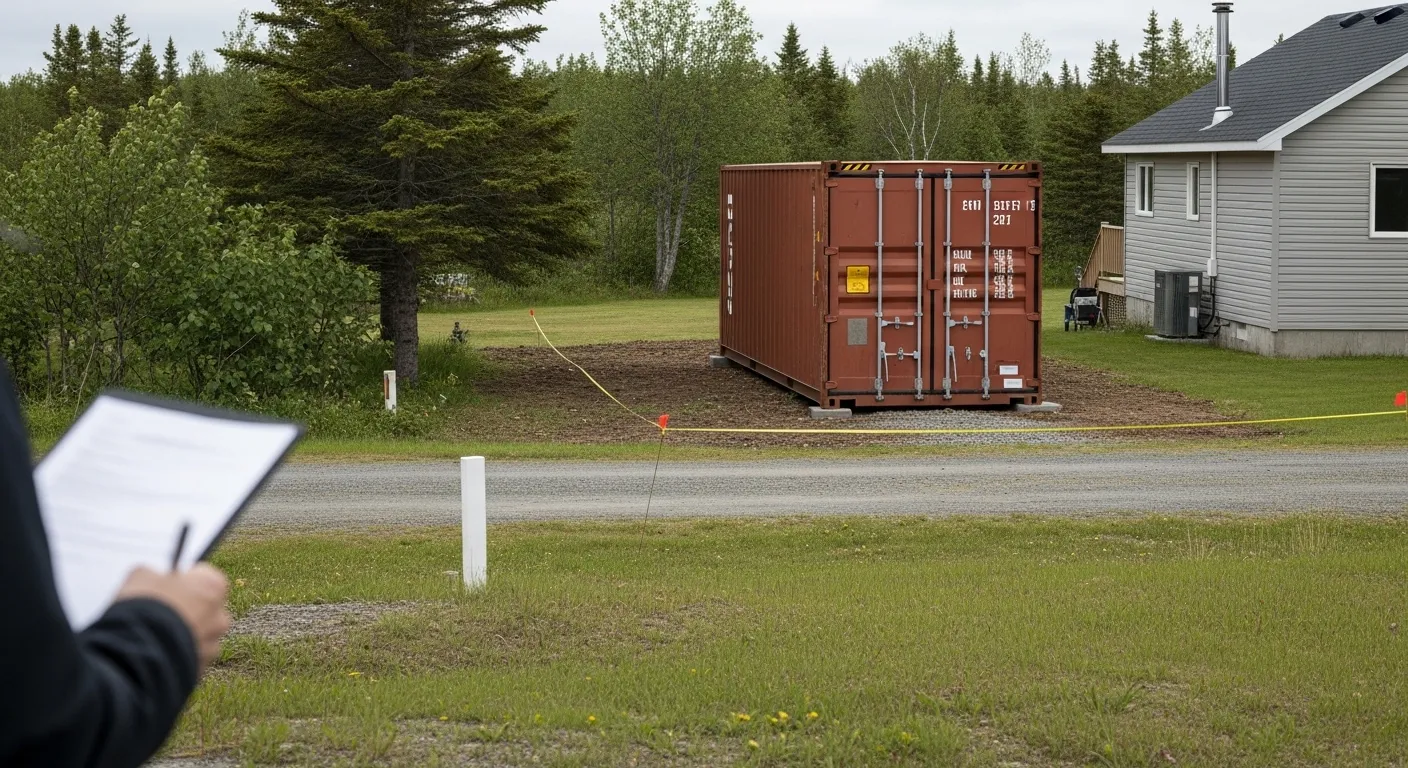
Backyard placement is often where the details matter most.
A backyard container may still be subject to rules around:
setbacks from side and rear lot lines
distance from neighbouring properties
visibility from the street
lot coverage or accessory-structure limits
drainage, grading, or site access
intended use of the container
Some municipalities are more flexible with backyard storage than others. Some are stricter in residential neighbourhoods, heritage areas, or higher-visibility locations. Rural properties may offer more flexibility, but local confirmation still matters.
The better question is not just whether a container can go in the backyard. It is whether it can go on that property, in that location, for that purpose, under the municipality’s current rules.
What Municipalities Usually Care About
Most local authorities are not trying to make the process difficult. They are trying to make sure the container fits the property and does not create problems later.
That usually comes down to a few predictable concerns.
Placement on the lot
They may want to know where the container will sit in relation to the house, driveway, road, and property lines.
Use of the container
Storage is often treated differently from a workshop, office, or living space. The more permanent or specialized the use, the more likely additional rules apply.
Appearance and neighbourhood fit
In some areas, the municipality may care whether the container is visible from the road or how it fits within a residential setting.
Site conditions
Access for delivery, ground stability, grading, and drainage can all matter, especially if the unit will stay long term.
Whether the container is temporary or permanent
A short-term container may be treated differently from one intended to remain indefinitely.
A lot of buyer anxiety comes from trying to avoid a simple problem: ordering a container, paying for delivery, and then learning the placement plan needs to change.
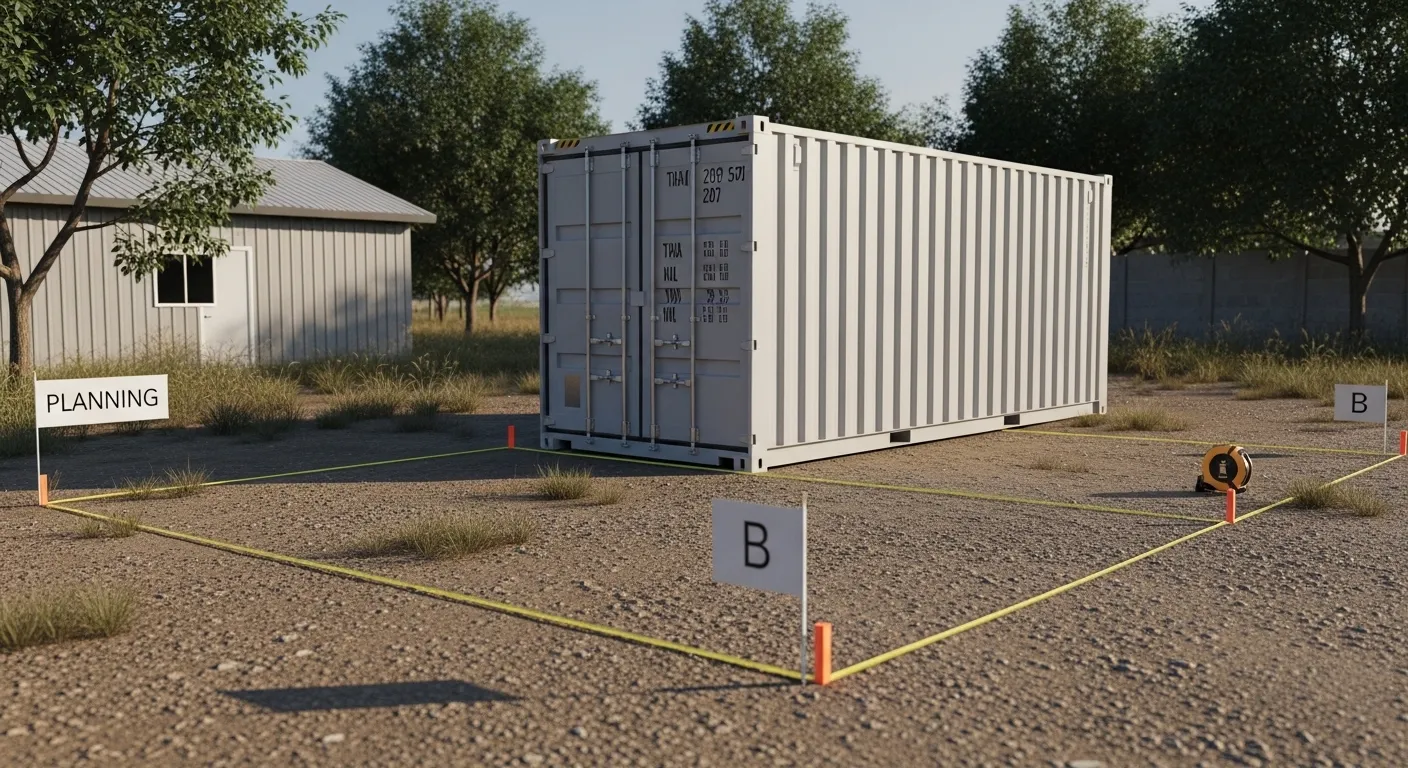
Why It Is Smart to Check Before You Buy
A container is a practical purchase, but it is still a purchase. If you buy before confirming the rules, you increase the chance of avoidable cost and delay.
That can mean:
changing the planned location on the property
paying for additional site work
needing a different container size
delaying delivery
revisiting the whole plan after speaking with the municipality
The best approach is usually straightforward:
Check local requirements before finalizing the order.
That does not mean having every answer first. It means confirming the basics before the container is on the truck.
Backyard Storage, Workshops, and Garden-Shed Use Are Not Always Treated the Same
One reason people get mixed answers is that not every container use is treated the same way.
A container used for straightforward backyard storage may be handled differently from:
a workshop container
a hobby or maker space
a garden-shed replacement
a business-use container
a container modified with utilities
As the use becomes more permanent or more specialized, the approval path often becomes more involved.
That does not mean those projects cannot be done. It means the rules may change depending on what the container is expected to do.
For property owners in Atlantic Canada, it helps to think through the intended use before speaking with the municipality. A clearer use case usually leads to a clearer answer.
What To Check Before Ordering a Shipping Container
A practical starting point usually includes confirming:
your municipality’s rules for accessory structures or storage containers
whether a permit is needed for your intended use
setback requirements from property lines
whether backyard placement is allowed
whether the container must be screened or placed out of view
whether site prep is needed before delivery
whether the driveway or yard has enough access for placement
what container size makes sense for the space available
That last point matters more than many buyers expect. A container may be allowed, but a larger unit can create access or placement issues that a smaller one avoids.

How Sea Can Guys Helps Make the Process Easier
When you are comparing containers, you are not only choosing steel storage. You are also trying to figure out what will fit the property, how it will be delivered, and whether the overall plan makes sense before money is committed.
Sea Can Guys helps buyers across PEI, Nova Scotia, and New Brunswick work through the same questions every day.
That matters because local container buying is rarely just about the unit itself. It is also about:
choosing the right size
planning for delivery access
understanding whether backyard placement is realistic
starting with fewer assumptions
A short planning conversation usually makes more sense than treating the process like a simple product checkout.
A Shipping Container Can Work Well in a Backyard When the Plan Fits the Property
For many homeowners, the appeal is obvious. A shipping container offers durable storage, strong protection, and a more substantial alternative to a weak shed or overcrowded garage.
The best backyard container projects usually have one thing in common: the rules are checked early, placement is considered before delivery, and the container size fits both the lot and the intended use.
That approach reduces friction and makes the decision easier to manage.
If you are asking do you need a permit for a shipping container, that answer is not something to guess at. It is something to confirm.
If you are asking can I have a shipping container in my backyard, the answer may be yes, but only after checking how the municipality handles placement, setbacks, and accessory use.
Get Clear Answers Before You Order
The most useful next step is not to assume the rules are the same everywhere. Start with the property, the intended use, and the local municipality.
If you are considering a container for backyard storage, workshop use, or general property storage in PEI, Nova Scotia, or New Brunswick, Sea Can Guys can help you think through the practical side before moving ahead.
You do not need every detail figured out before reaching out. If you know where the container may go, what you want to use it for, and what kind of space you need, that is enough to start the conversation.
Contact Sea Can Guys
If you are exploring whether a shipping container is allowed on your property in Atlantic Canada, connect with Sea Can Guys to discuss your site, intended use, and container options.
Phone: (902) 579-5833
Service Area: Prince Edward Island, Nova Scotia, New Brunswick
Website: seacanguy.ca