A practical guide to zoning rules, building permits, and container home life expectancy across PEI, Nova Scotia, and New Brunswick.
If you have been asking are container homes legal or what is the life expectancy of a container house, you are asking the right questions.
Container homes get attention for design, flexibility, and efficiency, but serious buyers usually come back to two practical concerns. First, can a container home be legally built where the property is located? Second, if the investment is made, how long will it realistically last?
In Atlantic Canada, those questions carry more weight. Weather, moisture, local bylaws, site conditions, and building-code requirements all shape whether a container home is a realistic option.
The practical answer is this: container homes can be legal in Atlantic Canada, but they still need to comply with the same types of zoning, permitting, inspection, and building-code requirements that apply to other homes. In PEI, for example, most projects require both development and building permits; Nova Scotia municipalities regulate land use through planning strategies and land-use by-laws; and New Brunswick residents are directed to local planning departments or regional bodies for planning and building matters.
Why Buyers Start With the Legal Question
People are often drawn to container homes because they seem practical, durable, and different from a standard build. Before the design conversation goes very far, one concern usually takes over:
Can this actually be approved?
That concern makes sense. A container may begin as a shipping unit, but once it becomes a home, municipalities are not reviewing it as a novelty. They are reviewing it as a residential structure that must fit local land-use rules and construction requirements. Official guidance across Atlantic Canada supports that broader pattern: land use, siting, and approvals are handled through planning and permit systems, while structural and safety compliance are handled through building-code processes.
That means the important questions are not only about the container itself. They are about:
where the home will be located
what zoning applies to the property
whether the design meets code
whether the home can be permitted and inspected
how the structure is prepared for local climate conditions
For buyers in PEI, Nova Scotia, and New Brunswick, the real issue is not whether container homes are automatically illegal. It is whether the project is planned and built in a way that fits the local approval process.
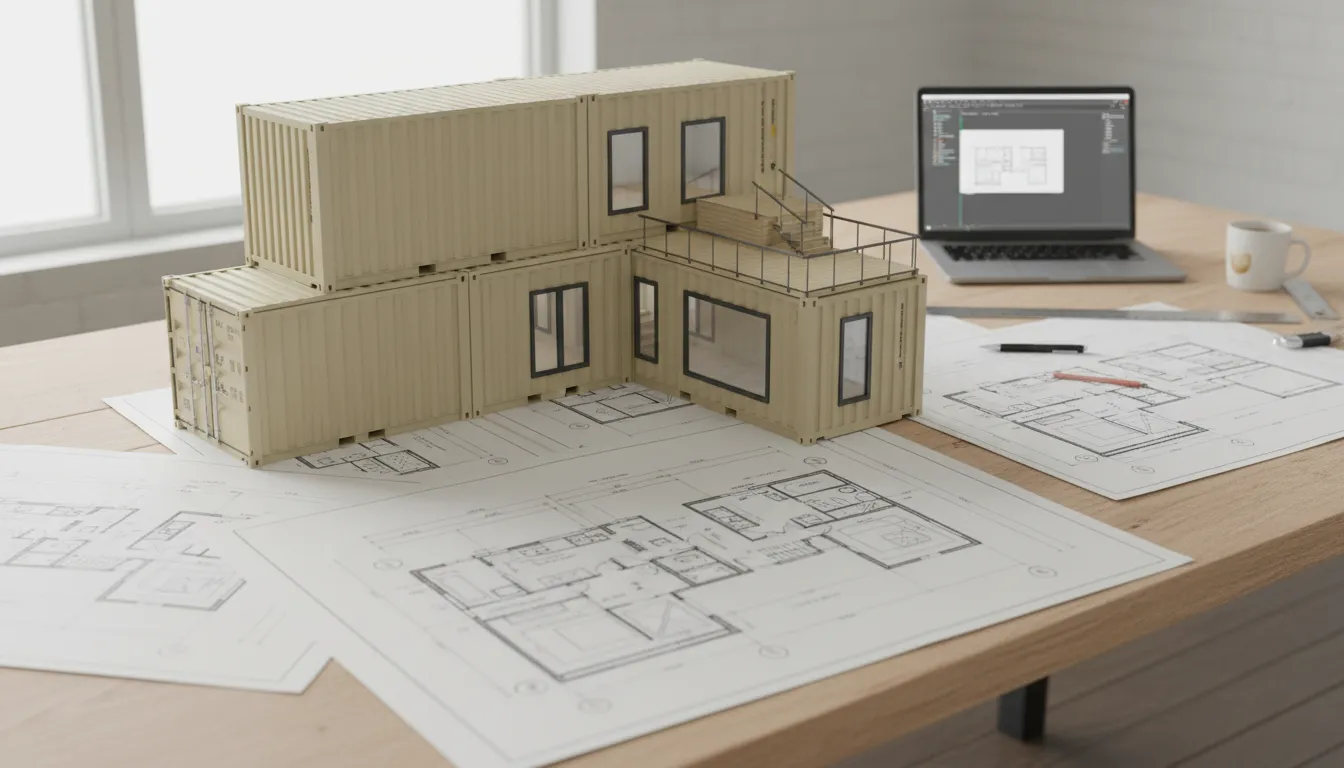
Are Container Homes Legal?
In general, container homes can be legal when they are designed, approved, and built to meet local requirements.
That is the part many buyers miss. A container home is not exempt from the standards that apply to other dwellings. It still needs to work within local zoning, permit requirements, structural expectations, and inspections. PEI’s official permit guidance explicitly separates land-use/development approval from code-compliance/building approval, while New Brunswick and Nova Scotia both rely on local planning frameworks and code-based building oversight.
A local authority may want to review:
zoning and permitted land use
setbacks from property lines
structural plans
insulation and energy performance
plumbing and electrical systems
foundation details
snow load and wind considerations
fire safety and residential code compliance
That is why two buyers in the same province can get different answers. One property may be well suited to a container home. Another may run into zoning or site restrictions before the build even begins.
Why Zoning and Permits Matter So Much
A lot of uncertainty around container homes comes from the fact that they sit at the intersection of innovation and regulation.
To the buyer, a container home may feel like a simpler path to housing. To the municipality, it is still a dwelling that needs to meet the same broader goals as any other residential structure: safety, compliance, livability, and fit within the property context.
Zoning determines whether the use is allowed
Even a well-designed home can run into problems if the land use does not fit local rules. In Nova Scotia, municipal planning strategies and land-use by-laws are the core planning tools; in PEI, development permits address how land is used and how a structure is located; and New Brunswick directs residents to local planning departments and regional services for zoning and planning matters.
Permits help confirm the build meets requirements
Permits are not just paperwork. They are part of confirming that a residential project is being built to an approved standard. PEI states that building permits are required for most construction projects and are tied to compliance with the National Building Code; New Brunswick’s building standards say buildings must be built or renovated to the National Building Code and National Fire Code.
Inspections reduce long-term risk
Inspections help catch issues before they become more expensive problems later. That matters even more with a non-traditional structure adapted for residential use.
For serious buyers, that is actually good news. It means container homes are not outside the system. They are part of it when the project is planned correctly.
Can Container Homes Handle Atlantic Canada Conditions?
This is the other major concern behind the search, and it is a fair one.
Atlantic Canada brings real environmental pressure to any home build. Canada’s model codes use local climatic data, and official code materials specifically reference climatic and seismic values for municipalities. That matters because coastal exposure, wind, rain, freeze-thaw cycles, snow loads, and moisture control all affect how a container home should be designed.
A residential container build needs to be adapted for local conditions.
That includes thinking carefully about:
insulation
ventilation
vapor control
structural reinforcement after cutouts
roofing systems
window and door installation
foundation design
exterior protection and maintenance
A container home built properly for the region can perform well. A container treated like a shortcut instead of a real construction project is more likely to create problems.
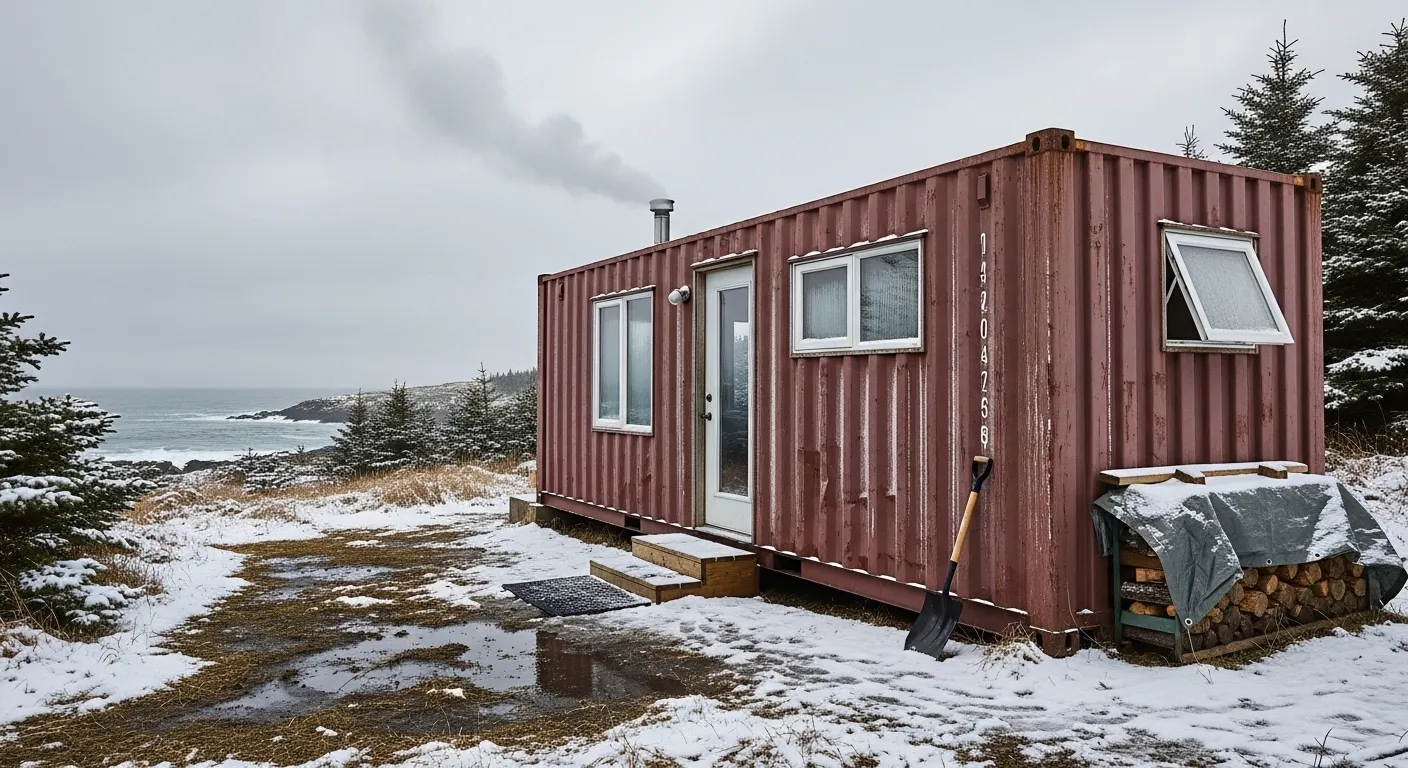
What Is the Life Expectancy of a Container House?
A container home can last for decades, but its life expectancy depends on how it is built, finished, and maintained.
The steel shell is only one part of the answer. Long-term performance depends on the whole system around it, including structural design, corrosion control, moisture management, insulation, and the quality of the residential conversion. That is consistent with how building-code oversight works in Canada: codes apply to the design and construction of new buildings and also to alterations and changes of use.
Structural integrity matters
Shipping containers are built for strength, but once openings are cut for windows, doors, and layout changes, the design needs to account for those changes properly.
Rust prevention matters
Steel performs well, but long-term exposure to moisture and salt air can shorten lifespan if corrosion is not managed carefully.
Insulation and moisture control matter
Poor moisture management can undermine durability from the inside out, especially in colder, wetter climates.
Build quality matters
A container home that is engineered, finished, and installed properly will usually hold up better than one built around shortcuts.
A better answer than one fixed number is this: a properly designed and maintained container home can have a long usable life, but longevity comes from the quality of the build, not just the existence of the container.
Why Buyers Worry About Lifespan
Most people asking about lifespan are really asking a bigger question:
Is this a sound long-term housing decision?
They want to know whether the home will:
stay structurally dependable
hold up through Atlantic winters
justify the cost of the project
avoid premature repair problems
remain comfortable and usable over time
That is the right mindset. A container home should be evaluated like a real home, not a trend build.
Legality and Longevity Are Closely Connected
These two questions usually lead to the same decision point.
A buyer asking whether container homes are legal is trying to confirm feasibility. A buyer asking about life expectancy is trying to confirm long-term value.
Together, those questions create a practical filter:
Can this be built legally?
Can it perform well enough to be worth building?
That is exactly how serious buyers should think about it.
A legal project still needs to be durable. A durable idea still needs to be legal. The strongest container-home projects respect both sides from the start.
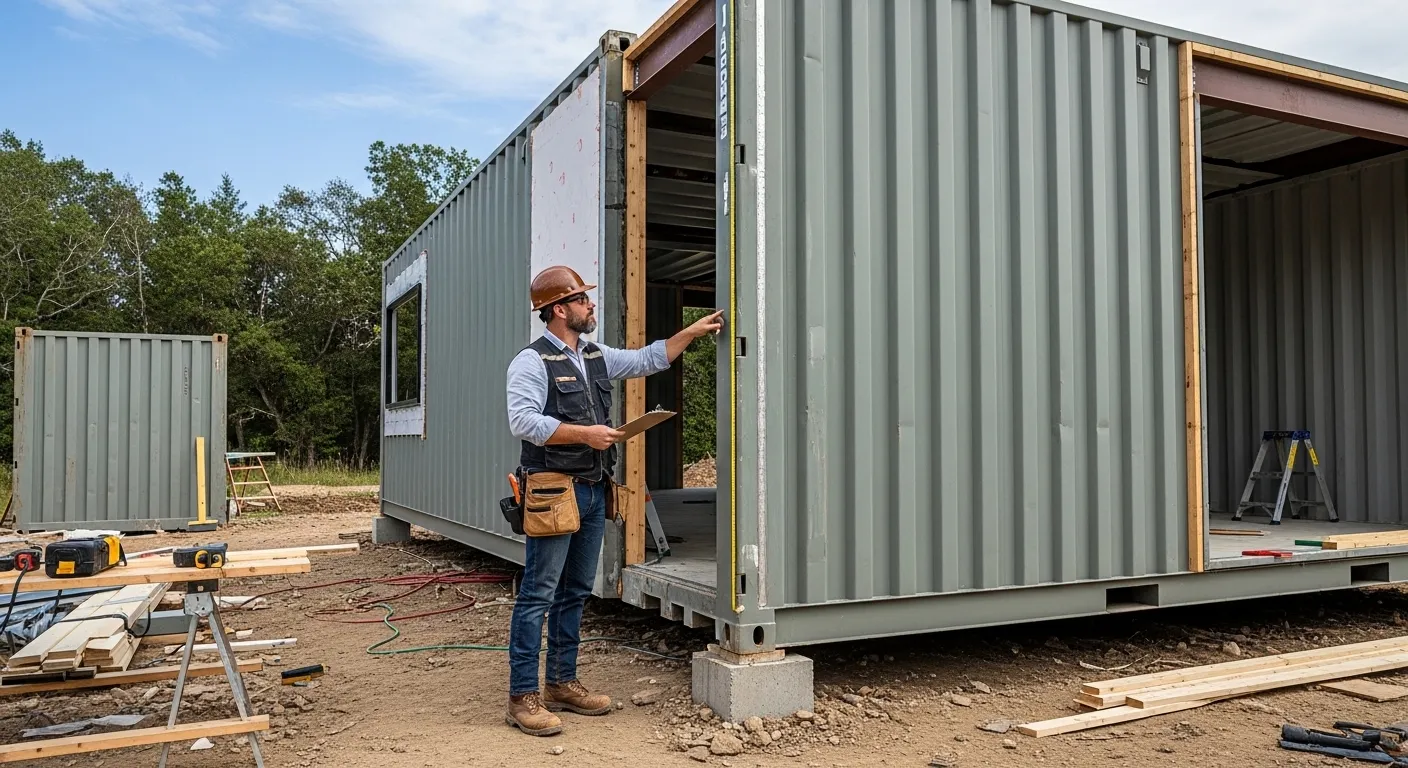
What To Check Before Moving Forward With a Container Home
If you are seriously considering a container home in PEI, Nova Scotia, or New Brunswick, start by confirming:
the zoning for the property
whether residential container-home use is permitted
what permit process applies locally
site access and delivery conditions
whether the property can support the intended foundation and layout
what climate-specific construction details need to be built into the design
whether the builder understands Atlantic conditions, not just container theory
Early clarity reduces expensive guesswork later. PEI’s permit process, Nova Scotia’s planning framework, and New Brunswick’s planning/building contacts all point back to the same practical next step: check local approvals before pushing too far into design or delivery.
Why Sea Can Guys Is a Strong Fit for Container Home Planning in Atlantic Canada
There is a big difference between reading about container homes online and planning one for a real property in Atlantic Canada.
Sea Can Guys fits this kind of project because the conversation is not only about the container. It is about the site, the intended use, delivery logistics, and whether the project is being approached like a real residential build.
That matters because buyers are not only asking whether container homes are legal. They are also asking:
what local approvals may apply
what affects durability
what goes into a realistic build
what site and delivery factors matter
how to avoid making an expensive early mistake
A supplier who understands both container structure and Atlantic Canada project realities adds value before the first major decision is made.
Get Clear Answers Before You Commit to the Idea
If you are researching are container homes legal or what is the life expectancy of a container house, you are already asking the questions that matter most.
A container home can be a legitimate option, but only when the project is treated like a real home build. That means understanding local rules, planning for the region, and making sure the build quality supports the lifespan you expect from the investment.
If you are considering a container home in PEI, Nova Scotia, or New Brunswick, Sea Can Guys can help you think through the practical side before the project moves too far.
You do not need every detail figured out before reaching out. A solid starting point is enough.
Contact Sea Can Guys
If you are exploring container homes in Atlantic Canada, connect with Sea Can Guys to discuss your property, project goals, and container home options.
Phone: (902) 579-5833
Service Area: Prince Edward Island, Nova Scotia, New Brunswick
Website: seacanguy.ca